Why Priming First Is Non-Negotiable on Exterior Wood
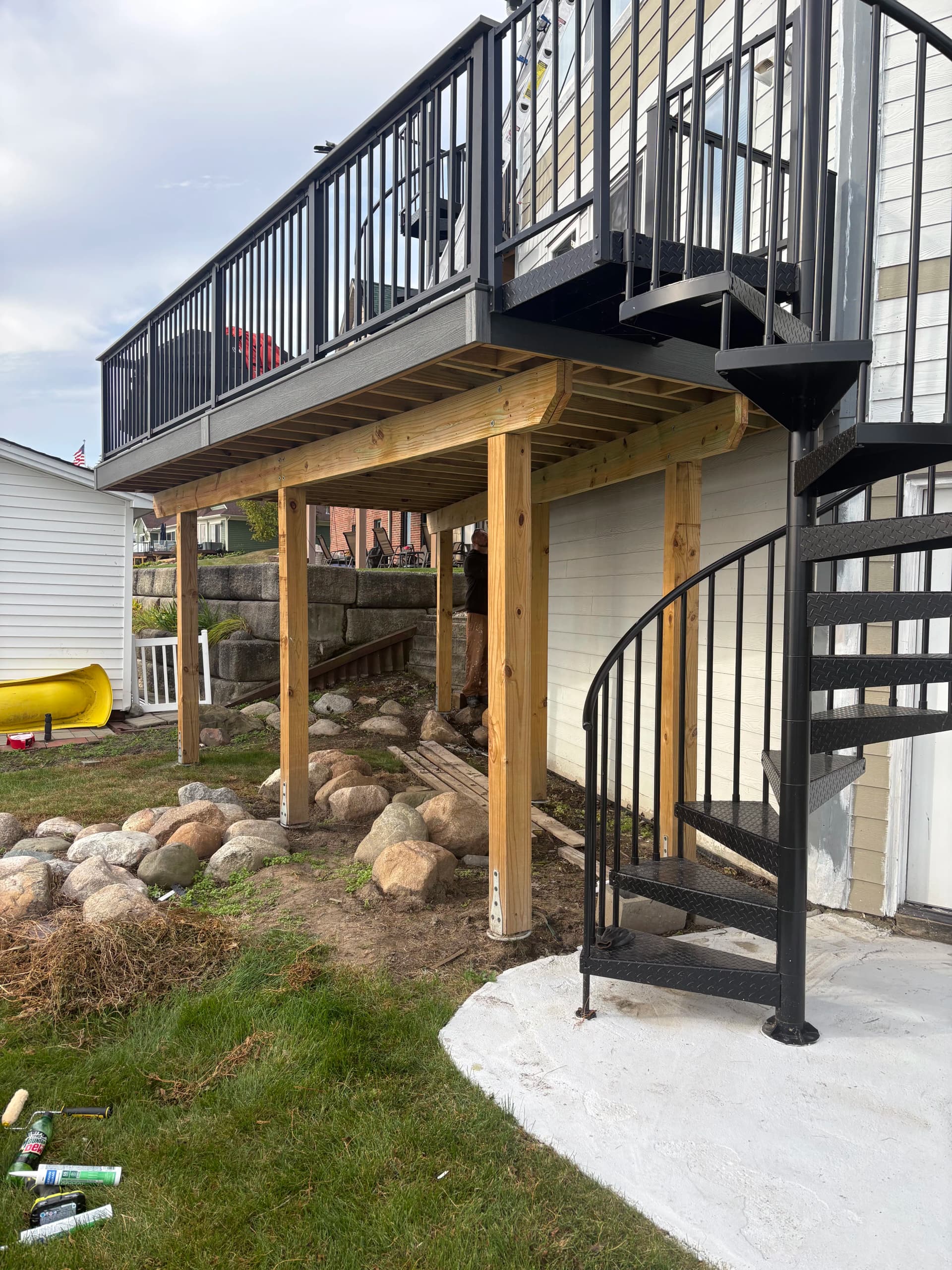
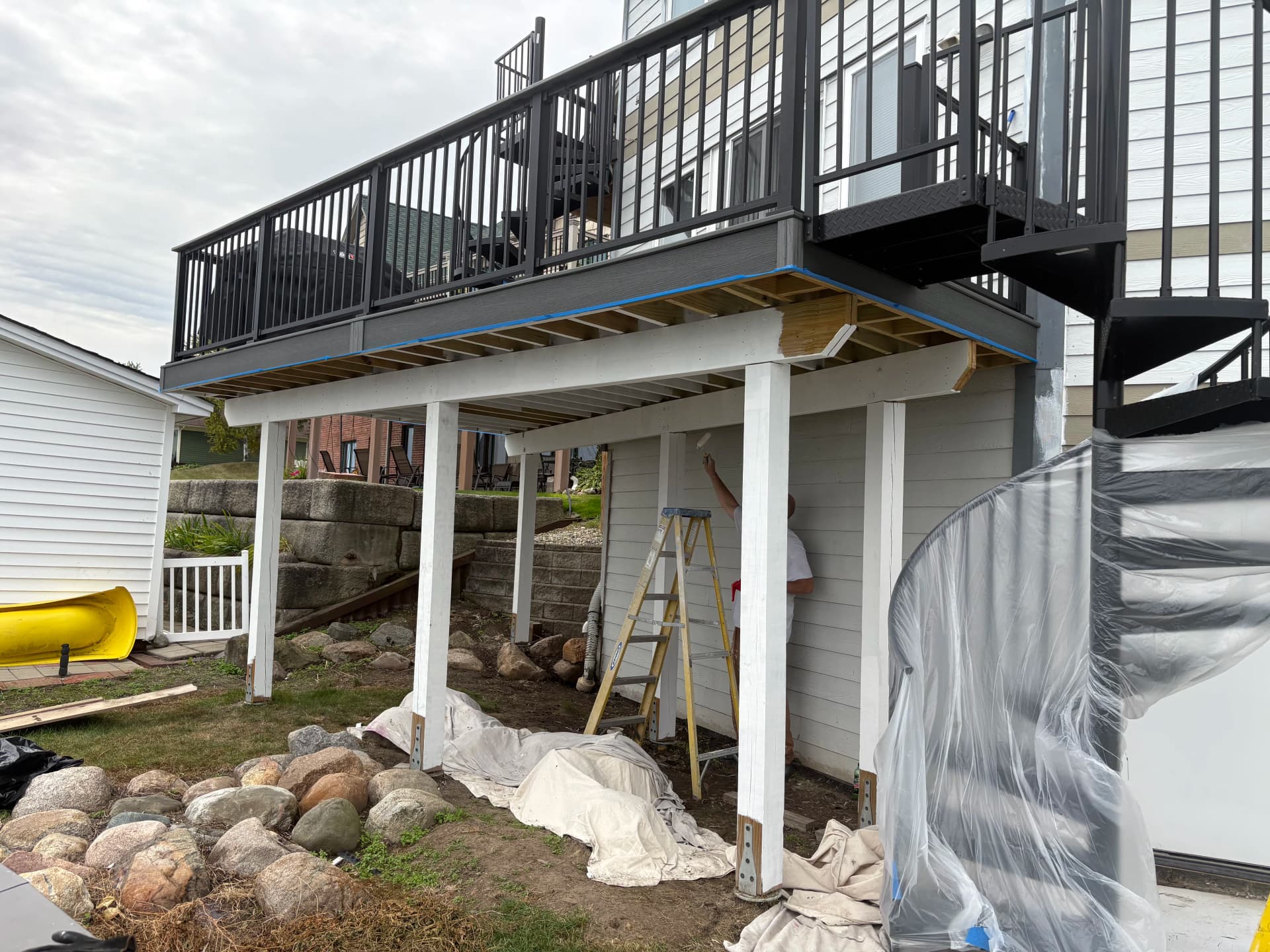
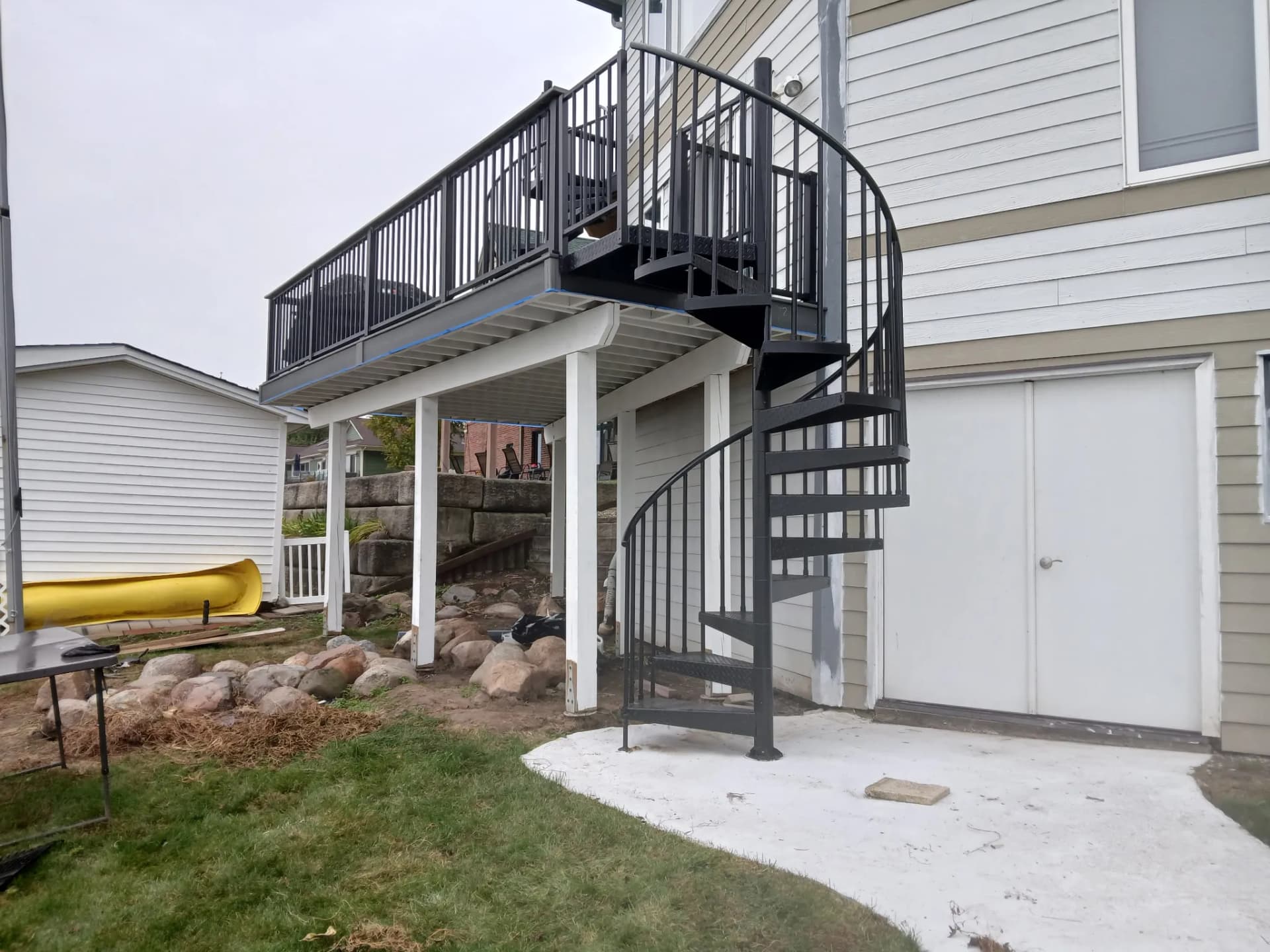
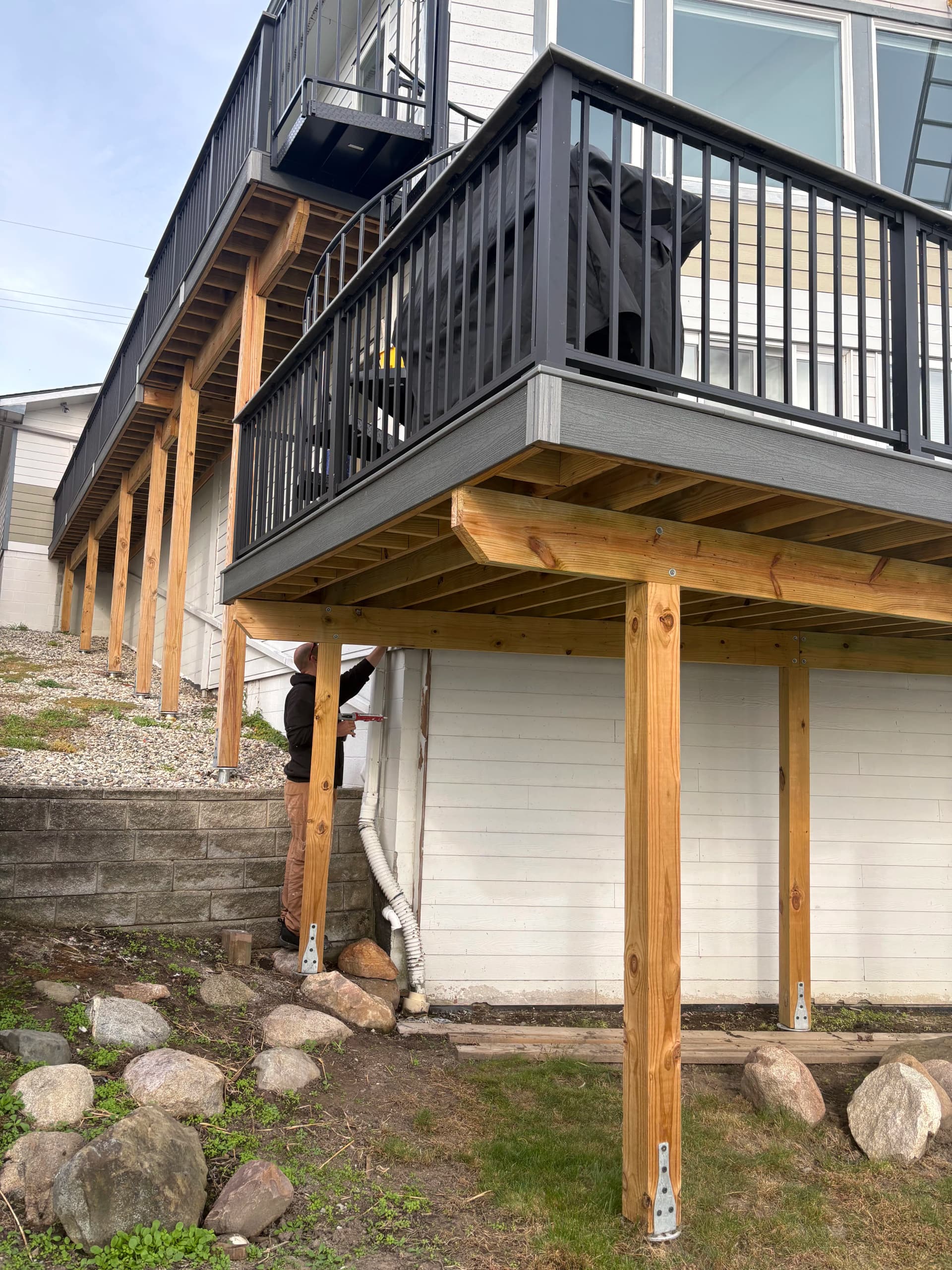
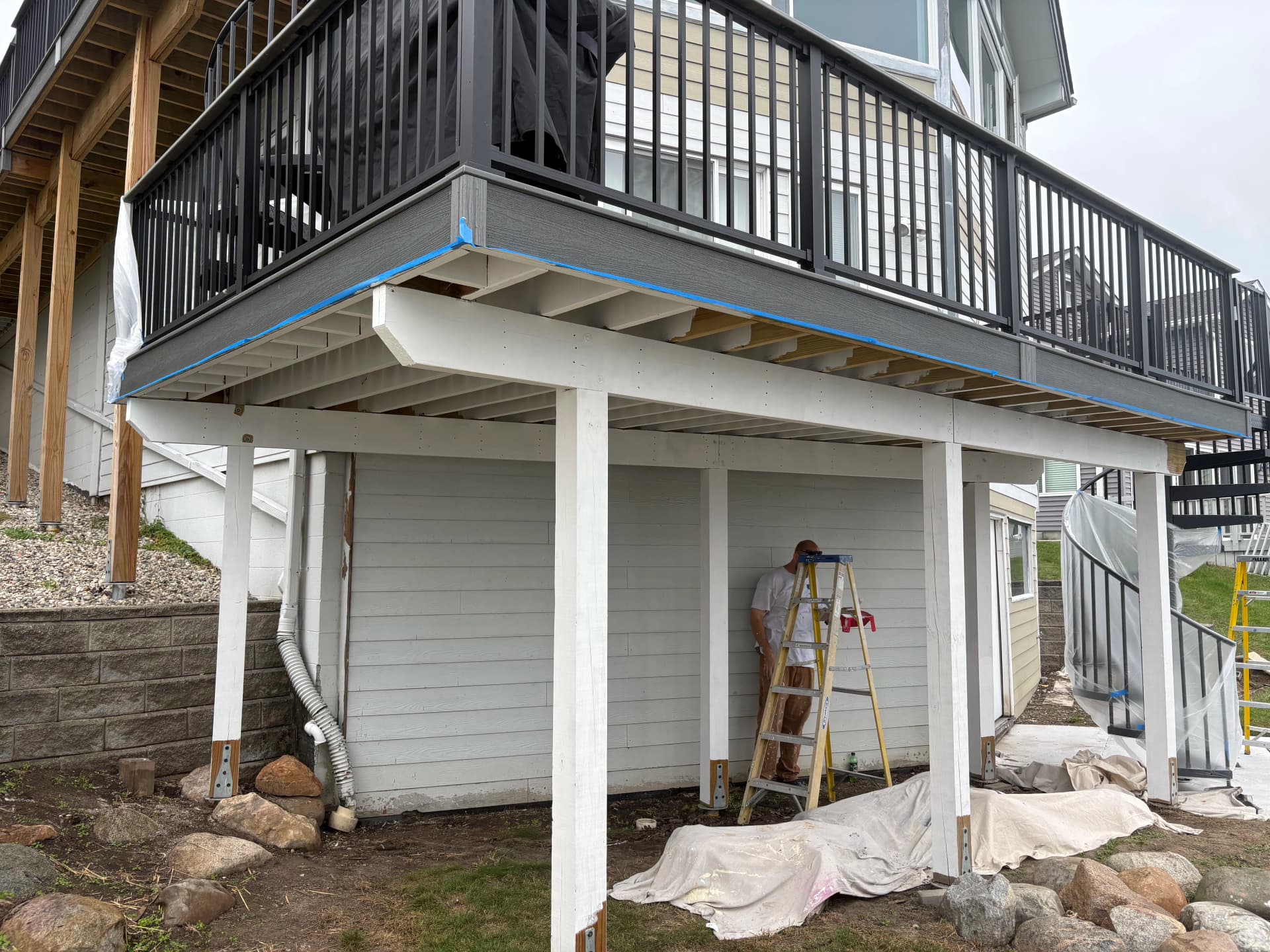
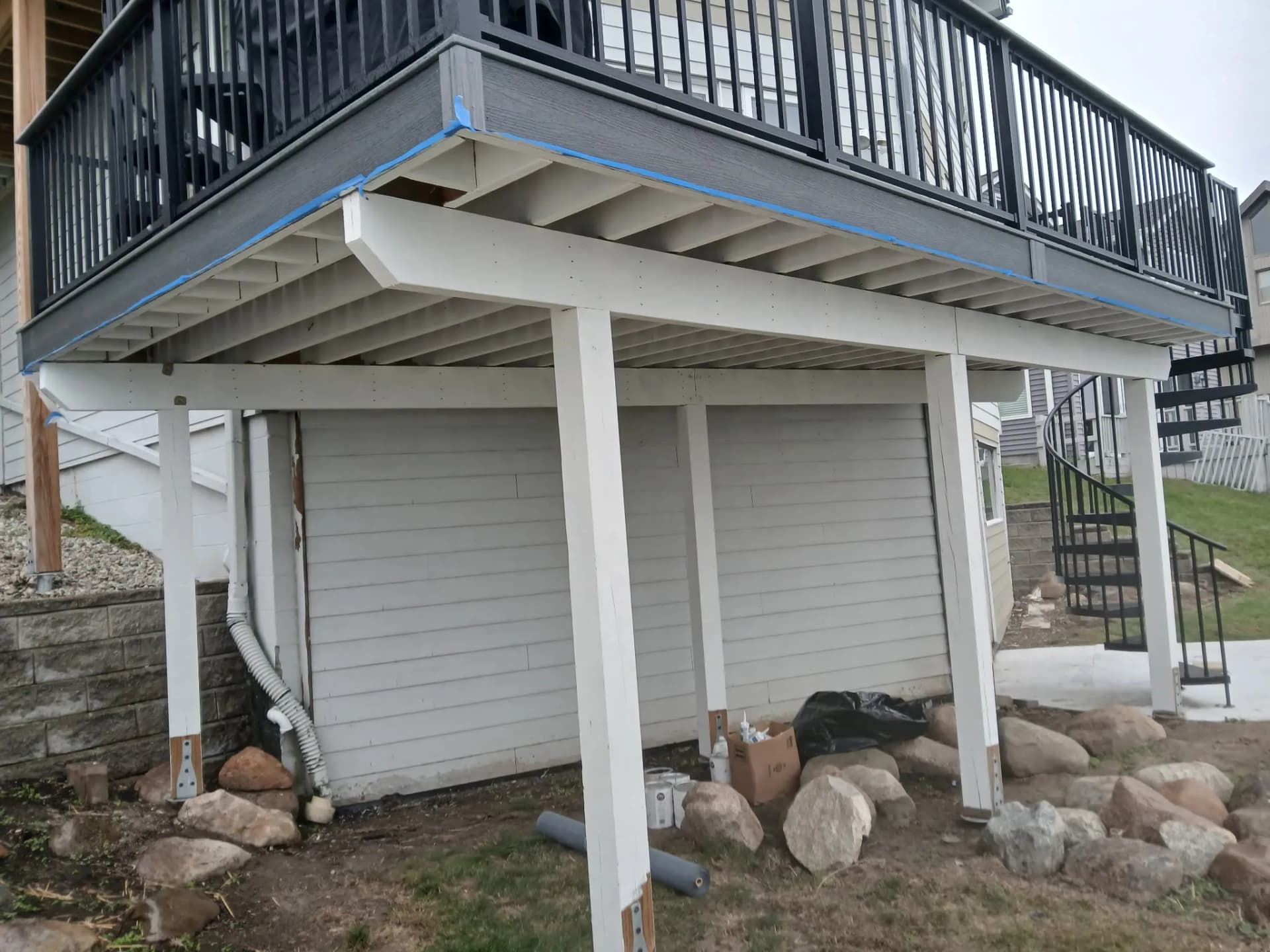
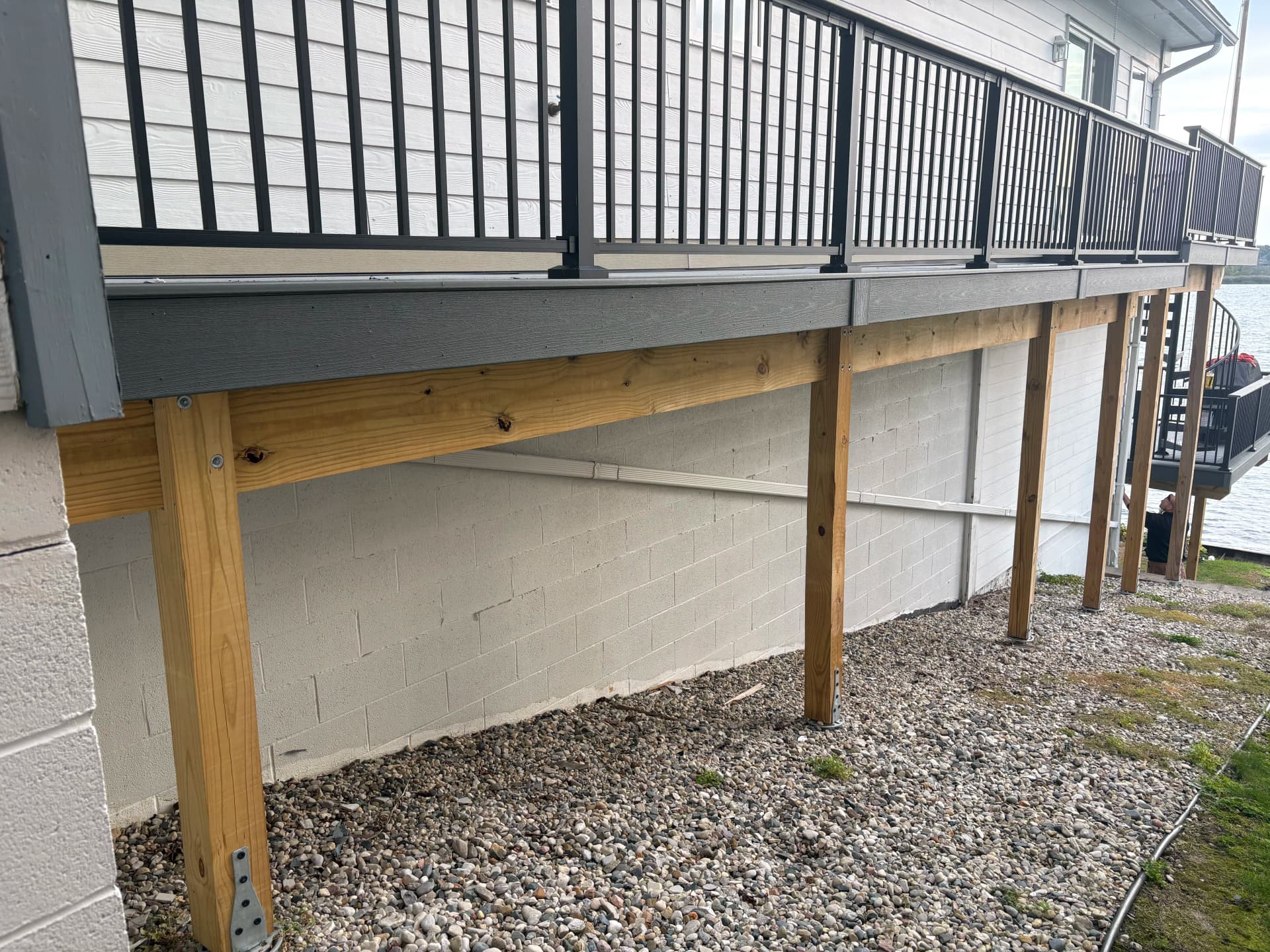
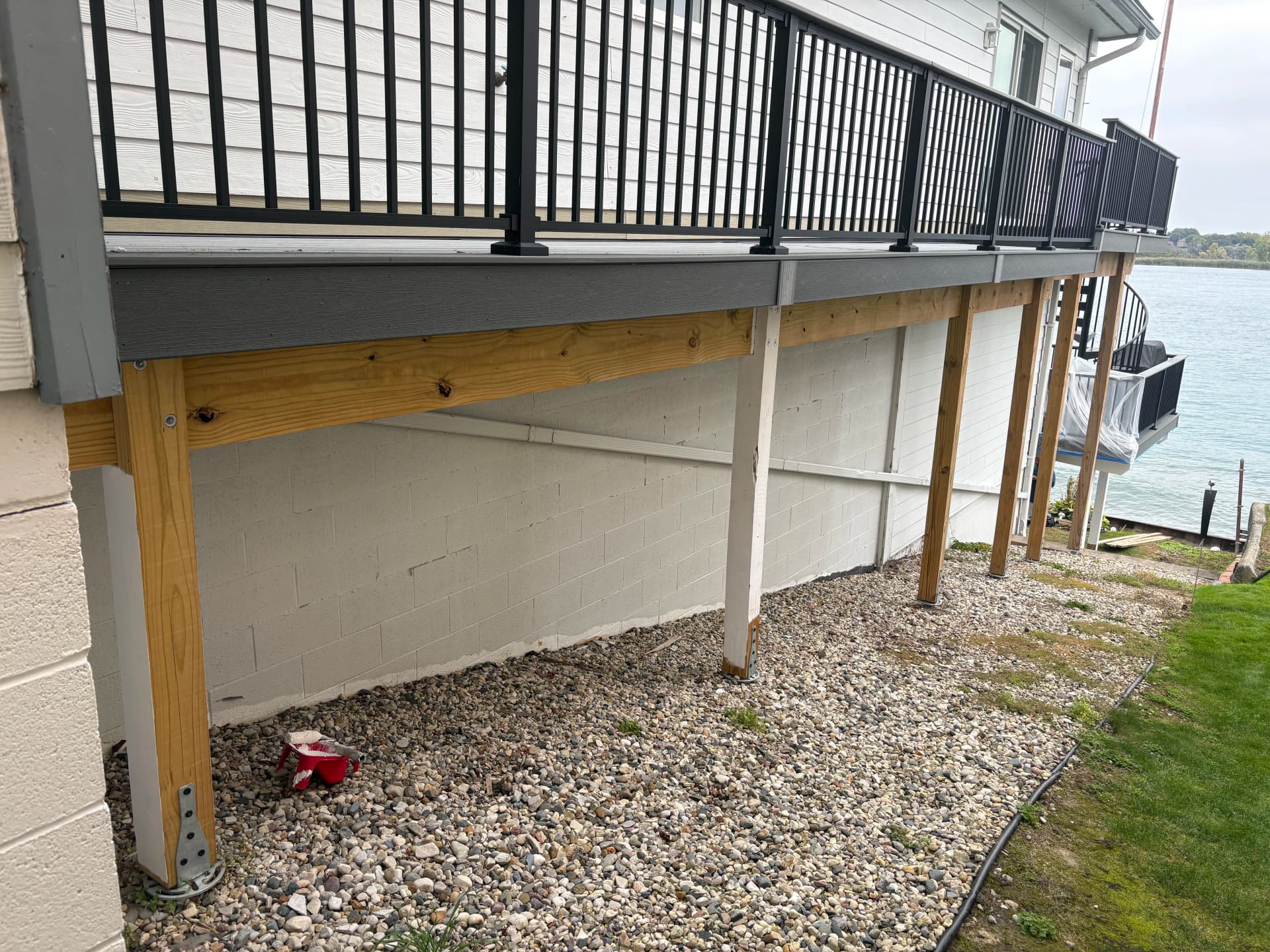
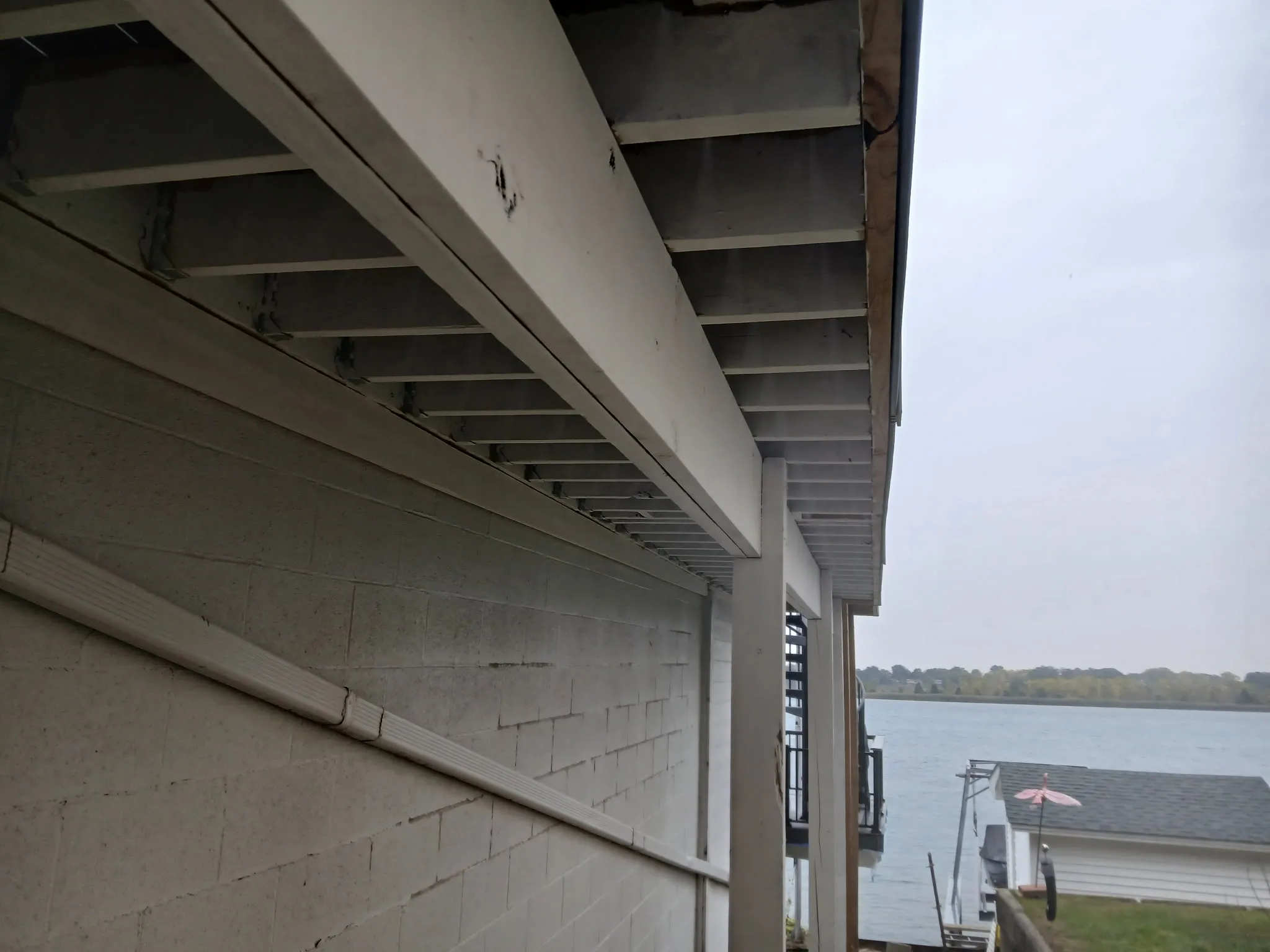
Here's something a lot of painters skip - proper priming on exterior wood. It's one of those steps that doesn't look impressive in a photo, but it's the reason a paint job holds up for years instead of peeling after one winter. On a job like this one, with fresh wood posts, structural framing, and exterior siding all needing paint, skipping primer wasn't even a conversation.
Fresh lumber is thirsty. It absorbs paint unevenly, which leads to thin spots, bleed-through, and early failure. Primer seals the surface, gives the topcoat something to grip, and ensures the color goes on smooth and consistent. That's not just good practice - it's what separates work that looks great for one season from work that still looks sharp a few years down the road.
You can see the full scope of what we were dealing with here. New posts going from bare wood to painted. The underside of the deck structure. Exterior siding below the deck level. Every one of those surfaces got the same treatment - prepped, primed, and then painted with a clean topcoat. No shortcuts, no skipped steps.
On top of all that, the deck itself got painted to tie the whole thing together. The dark railing, the deck surface, and the freshly painted exterior below it all needed to read as one cohesive finish. That only happens when every layer underneath is done right. Primer is boring to talk about, but it's doing a lot of the heavy lifting in a job like this.
That's how we approach every exterior painting and deck painting job - not just the parts you immediately notice, but the prep work underneath that makes the whole thing last. The visible result is only as good as what went into it before the topcoat ever touched the wood.