Painting Brick: What Michigan Homeowners Should Know
Learn essential tips for painting brick to revitalize Michigan homes. From preparation to product selection, achieve stunning results with our guide.
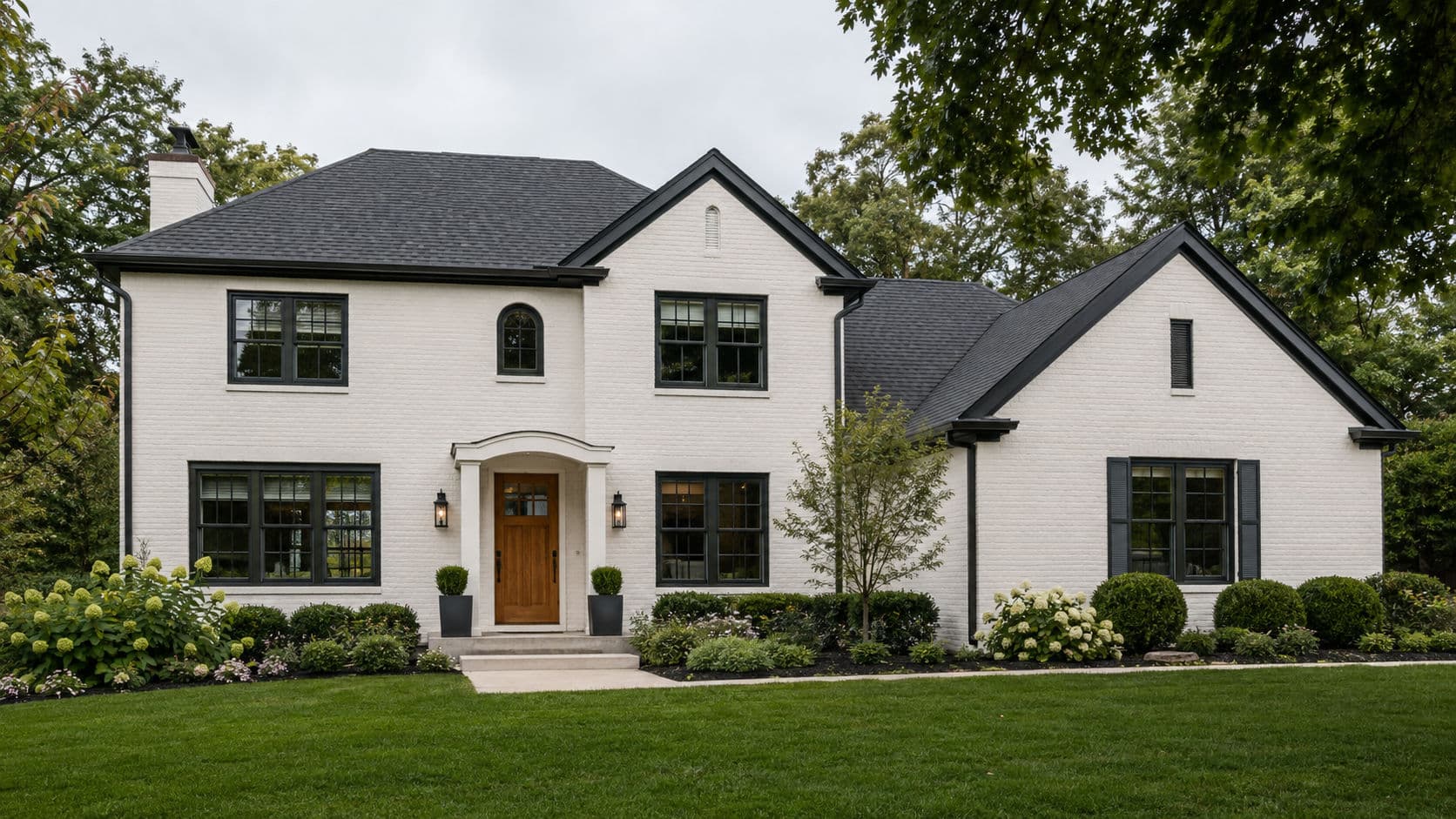
Painting Brick: What Homeowners Should Know Before Getting Started
Painting brick can completely transform the appearance of your home. Whether you want to modernize an outdated exterior, brighten a dark fireplace, or create a cleaner and more consistent color scheme, painted brick can deliver a dramatic improvement.
However, brick requires the right preparation, materials, and application techniques. Before deciding to paint it, homeowners should understand the benefits, potential concerns, and steps involved in producing a long-lasting finish.
Can Brick Be Painted?
Yes, most brick can be painted successfully when it is structurally sound, clean, dry, and properly prepared.
Because brick is porous, it naturally absorbs and releases moisture. Using the wrong coating or painting over existing moisture problems can trap water inside the masonry. Over time, this may lead to peeling paint, white mineral deposits, or deterioration of the brick and mortar.
That is why professional inspection and preparation are especially important when painting masonry surfaces.
Benefits of Painting Brick
Painting brick offers several advantages:
Creates a cleaner, more modern appearance
Allows the brick to coordinate with siding, trim, doors, and shutters
Covers permanent staining and uneven coloration
Brightens dark fireplaces and interior brick walls
Provides additional surface protection
Improves curb appeal
Makes future cleaning easier
Paint can also help visually unify brick that has been repaired or replaced at different times.
Is Painting Brick Permanent?
Painting brick should generally be considered a long-term decision. Once paint has been applied, restoring the brick to its original appearance can be difficult, expensive, and potentially damaging.
Painted brick also requires maintenance. Depending on the coating, exposure, surface condition, and quality of the original preparation, it will eventually need cleaning, touch-ups, or repainting.
Homeowners who want to change the brick’s appearance while maintaining more of its natural texture may also want to consider limewash or masonry stain.
How Brick Should Be Prepared for Painting
Preparation is the most important part of a brick-painting project. Applying premium paint over an improperly prepared surface will not produce a durable result.
A professional preparation process may include:
1. Inspecting the brick and mortar
The surface should be checked for cracked mortar joints, loose brick, water damage, mold, mildew, and signs of moisture intrusion. Necessary repairs should be completed before painting begins.
Paint should never be used to conceal an active masonry or water problem.
2. Cleaning the surface
Dirt, dust, mildew, chalky residue, loose material, and environmental buildup must be removed. Exterior brick may require a controlled wash using appropriate masonry-cleaning products.
The cleaning method must be strong enough to remove contamination without damaging the brick or mortar.
3. Removing loose paint
Previously painted brick should be scraped and brushed to remove peeling or poorly bonded coatings. Glossy or uneven areas may also require additional surface preparation.
4. Allowing the brick to dry
Brick can hold moisture longer than many homeowners realize. After washing or exposure to rain, the surface must be allowed to dry thoroughly before primer or paint is applied.
5. Priming when necessary
Bare, stained, repaired, or highly porous masonry may require a suitable masonry primer. The correct primer helps promote adhesion, create a more uniform finish, and control uneven absorption.
6. Applying the finish coating
A high-quality coating designed for brick and masonry should be used. Depending on the product and surface condition, two finish coats may be recommended for consistent color, coverage, and protection.
What Type of Paint Should Be Used on Brick?
Not every exterior paint is appropriate for masonry. Brick generally needs a coating designed to adhere to porous surfaces while allowing moisture vapor to escape.
The correct product will depend on:
Whether the brick is indoors or outdoors
Whether it has previously been painted
The brick’s age and condition
Existing moisture exposure
The desired appearance
The local climate
Michigan homes experience freezing temperatures, summer heat, humidity, rain, and snow. Choosing a quality masonry-compatible coating is essential for handling these changing conditions.
Painting Exterior Brick vs. Interior Brick
Exterior brick requires careful attention to moisture, weather exposure, surface deterioration, and surrounding landscaping. Windows, roofing, doors, fixtures, concrete, and other nearby surfaces must also be carefully protected during application.
Interior brick, such as a fireplace, may require extensive cleaning to remove soot, dust, grease, or previous treatments. Any fireplace coating must also be appropriate for the location. Standard paint should not be applied inside a firebox or directly to surfaces exposed to extreme heat unless the product is specifically rated for that use.
Should You Paint Brick Yourself?
Small interior projects may be manageable for experienced homeowners, but exterior brick can be more complicated. Brick has deep mortar joints and an irregular texture, making complete coverage more difficult than painting standard siding or drywall.
Professional brick painting provides several advantages:
Proper evaluation of the existing surface
Thorough cleaning and preparation
Selection of compatible primers and coatings
Protection of surrounding surfaces
Access to professional equipment
More consistent coverage
A cleaner and longer-lasting finish
Professional preparation also reduces the risk of premature peeling or coating failure.
Alternatives to Traditional Painted Brick
Traditional paint is not the only way to update brick.
Limewash creates a soft, naturally weathered appearance and allows variations in the brick to remain visible. Masonry stain changes the color while penetrating the surface instead of creating a solid film. Some homeowners may also choose to paint only selected brick features rather than the entire home.
Each option provides a different appearance, level of coverage, and maintenance requirement. A professional consultation can help determine which finish best matches your home and goals.
Professional Brick Painting in St. Clair County, Michigan
Painting brick can produce a beautiful and lasting transformation, but the results depend heavily on preparation and product selection.
Quality Painting LLC provides professional brick-painting services for homeowners and businesses throughout St. Clair County and the surrounding Michigan communities. We carefully evaluate each surface, complete the necessary preparation, protect surrounding areas, and apply high-quality coatings according to professional standards.
If you are considering painting your home’s exterior brick, fireplace, chimney, or another masonry surface, contact Quality Painting LLC to schedule an estimate. We would be happy to discuss your options and help you select the right finish for your property.