Lakeside Cottages Get a Full Exterior Painting Overhaul
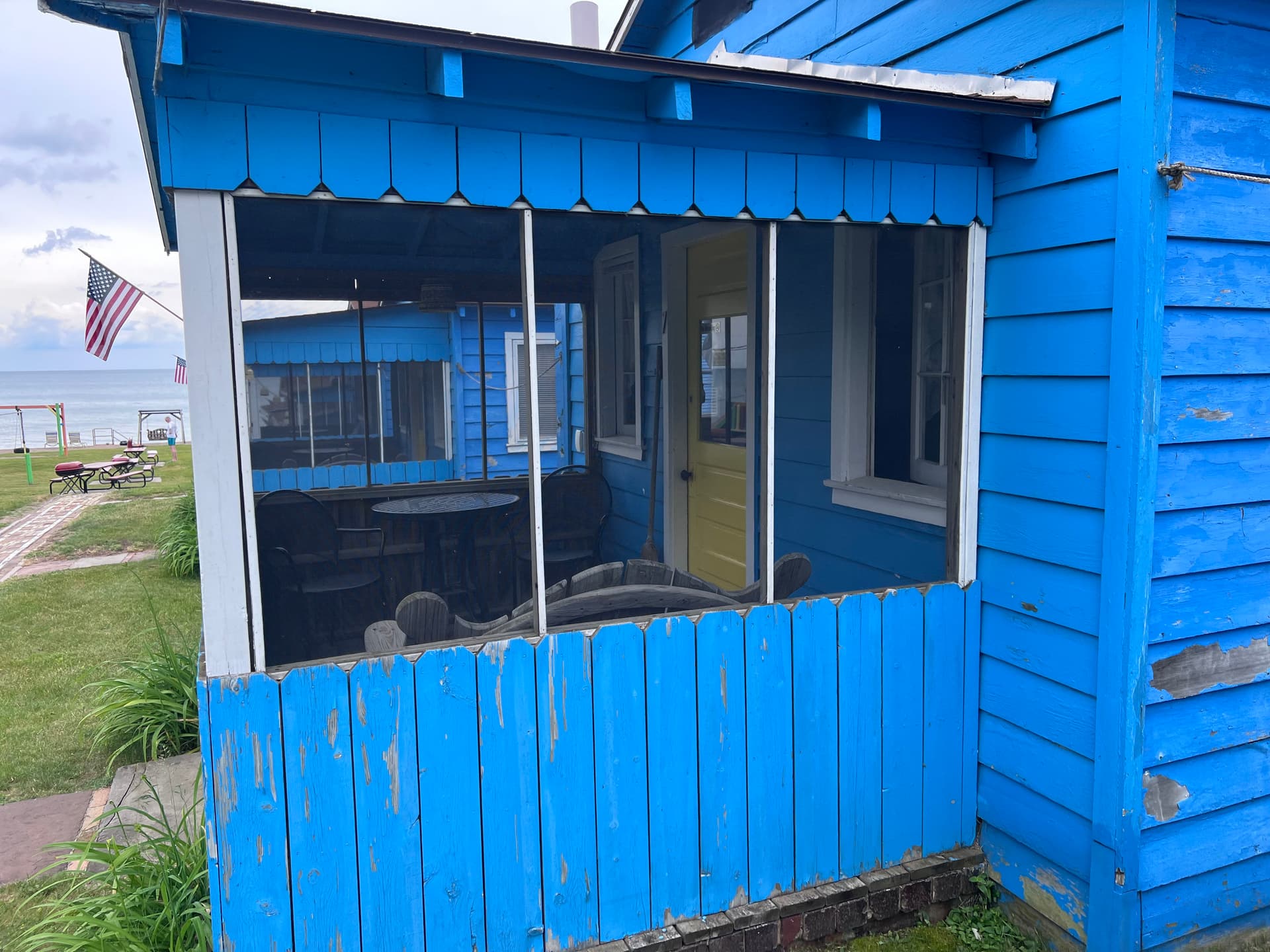
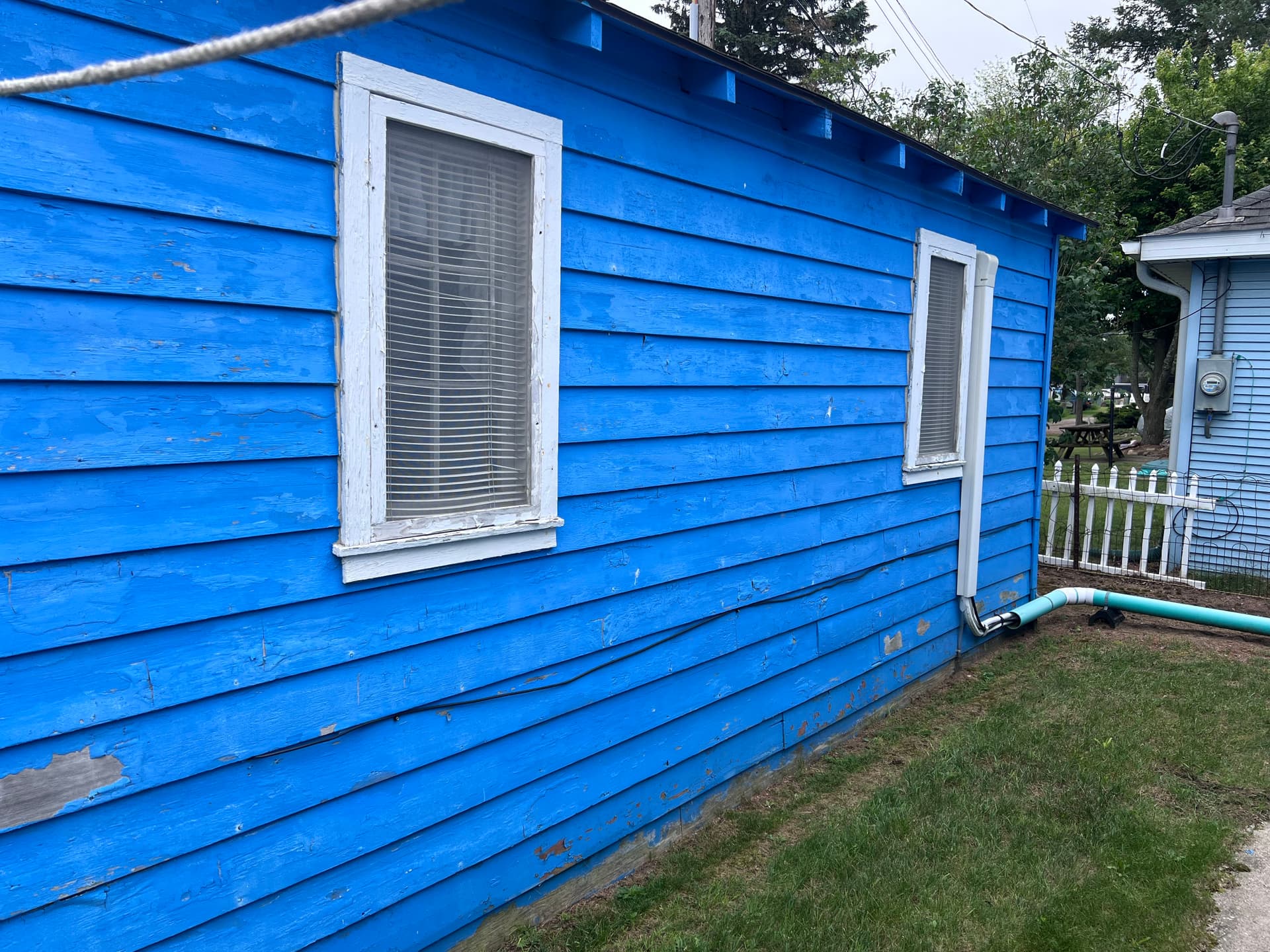
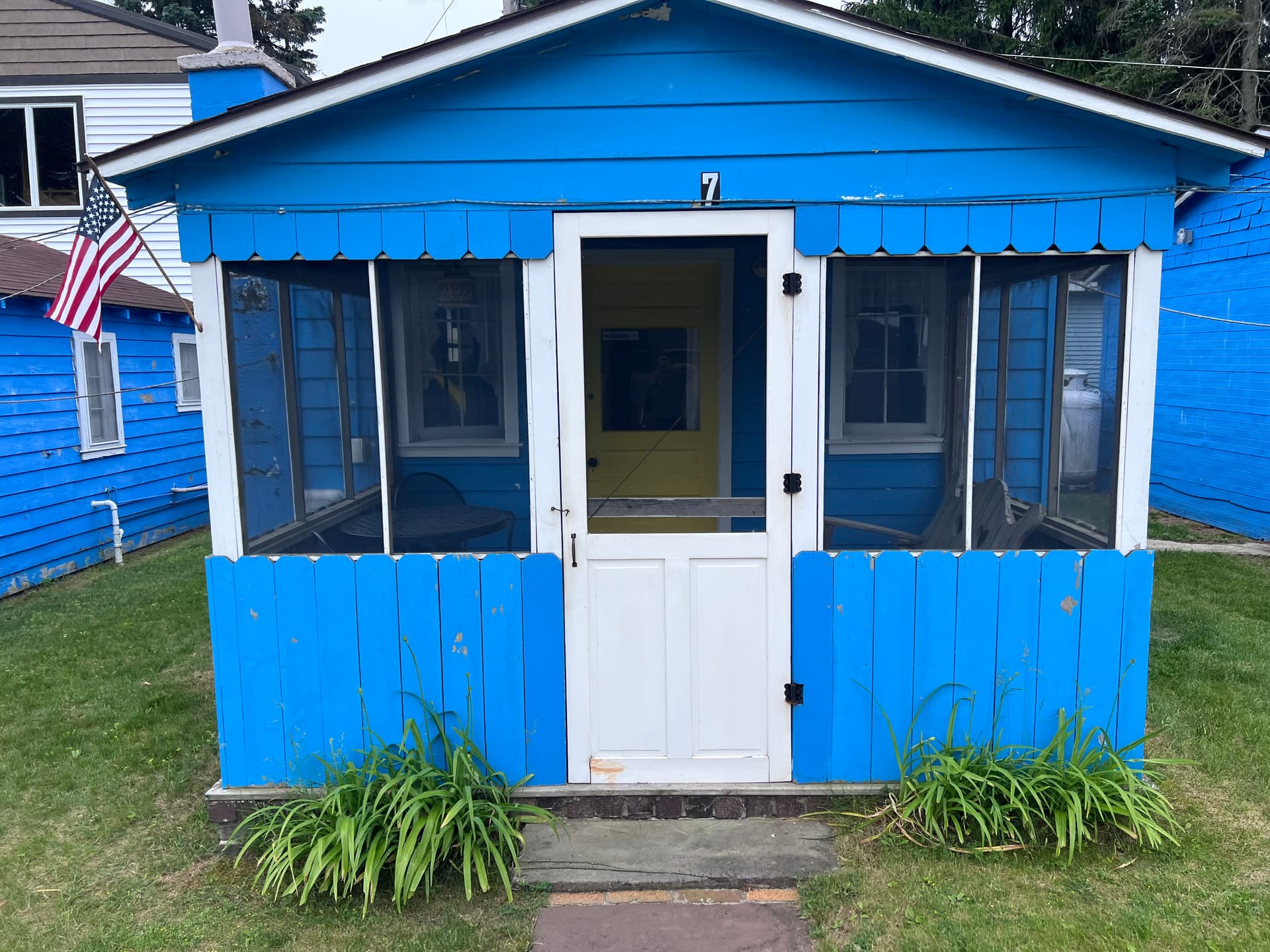
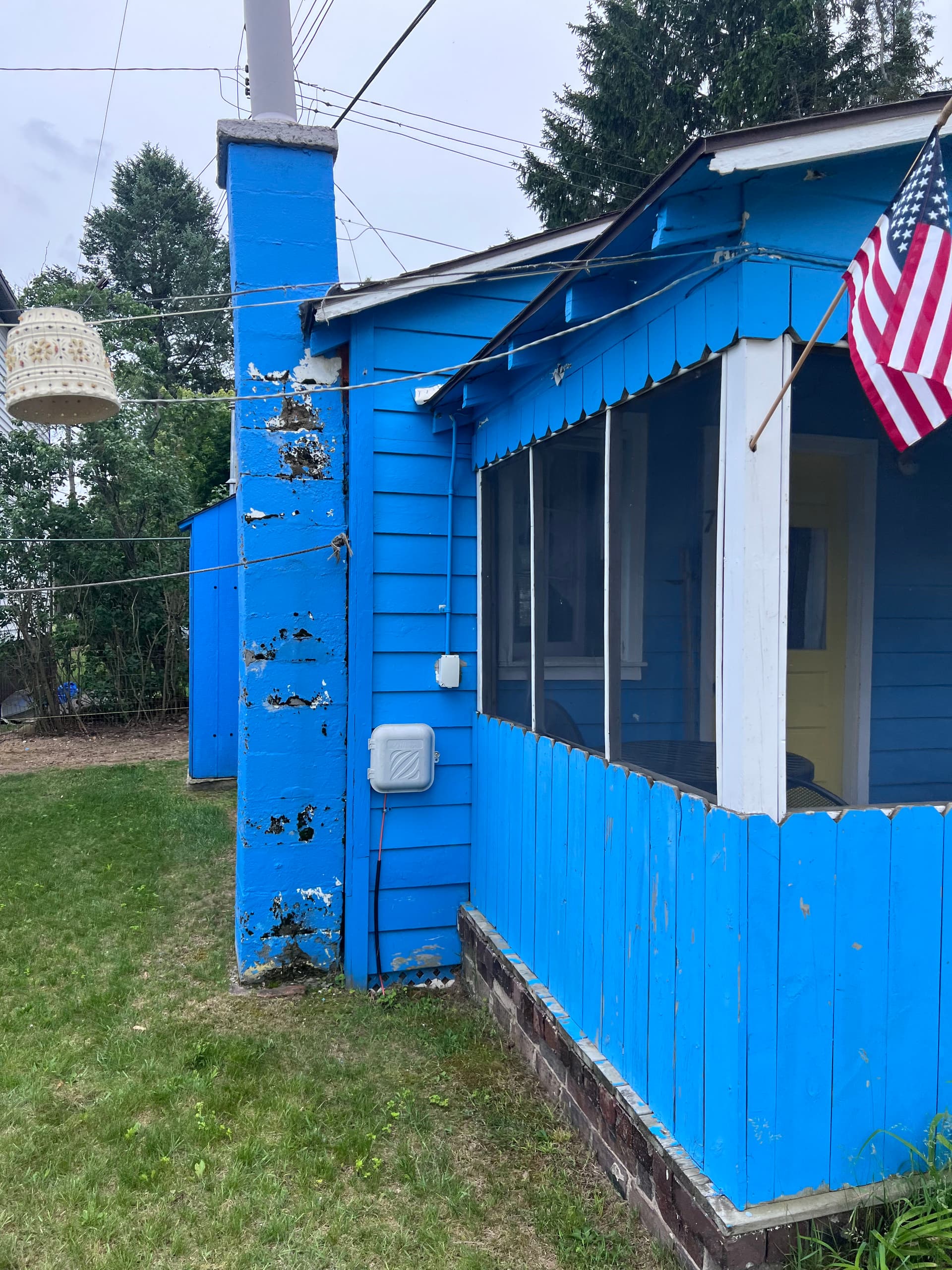
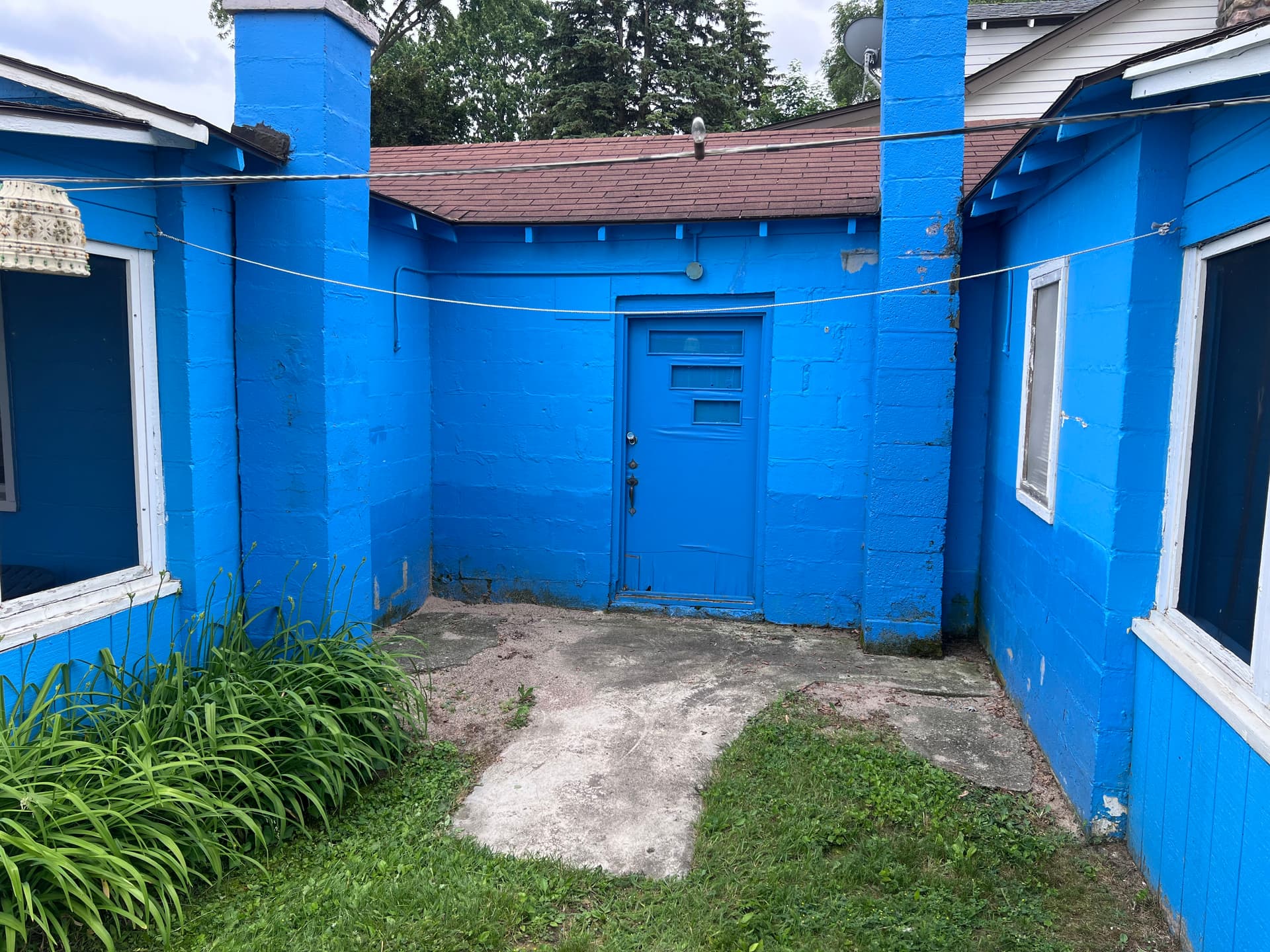
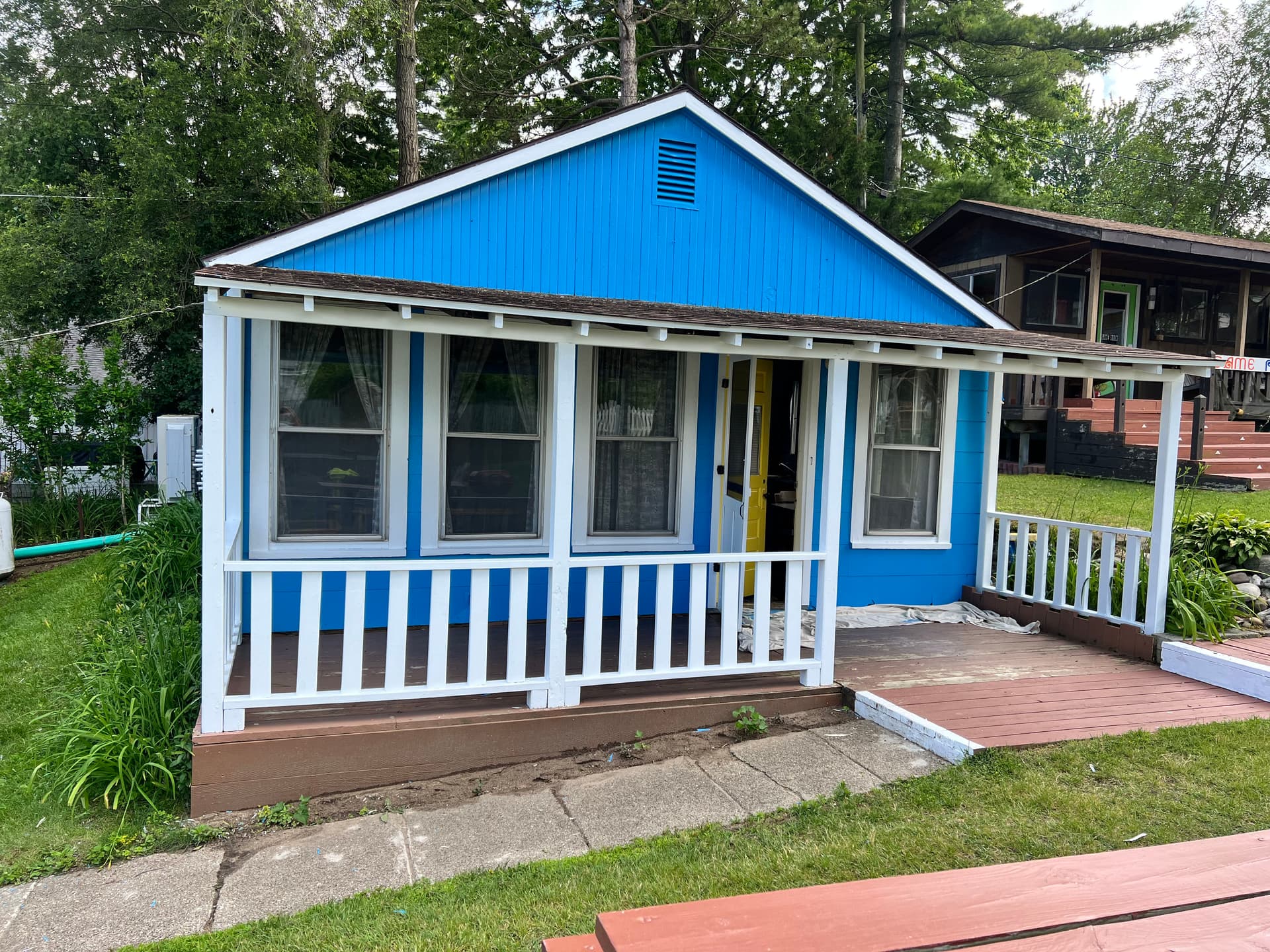
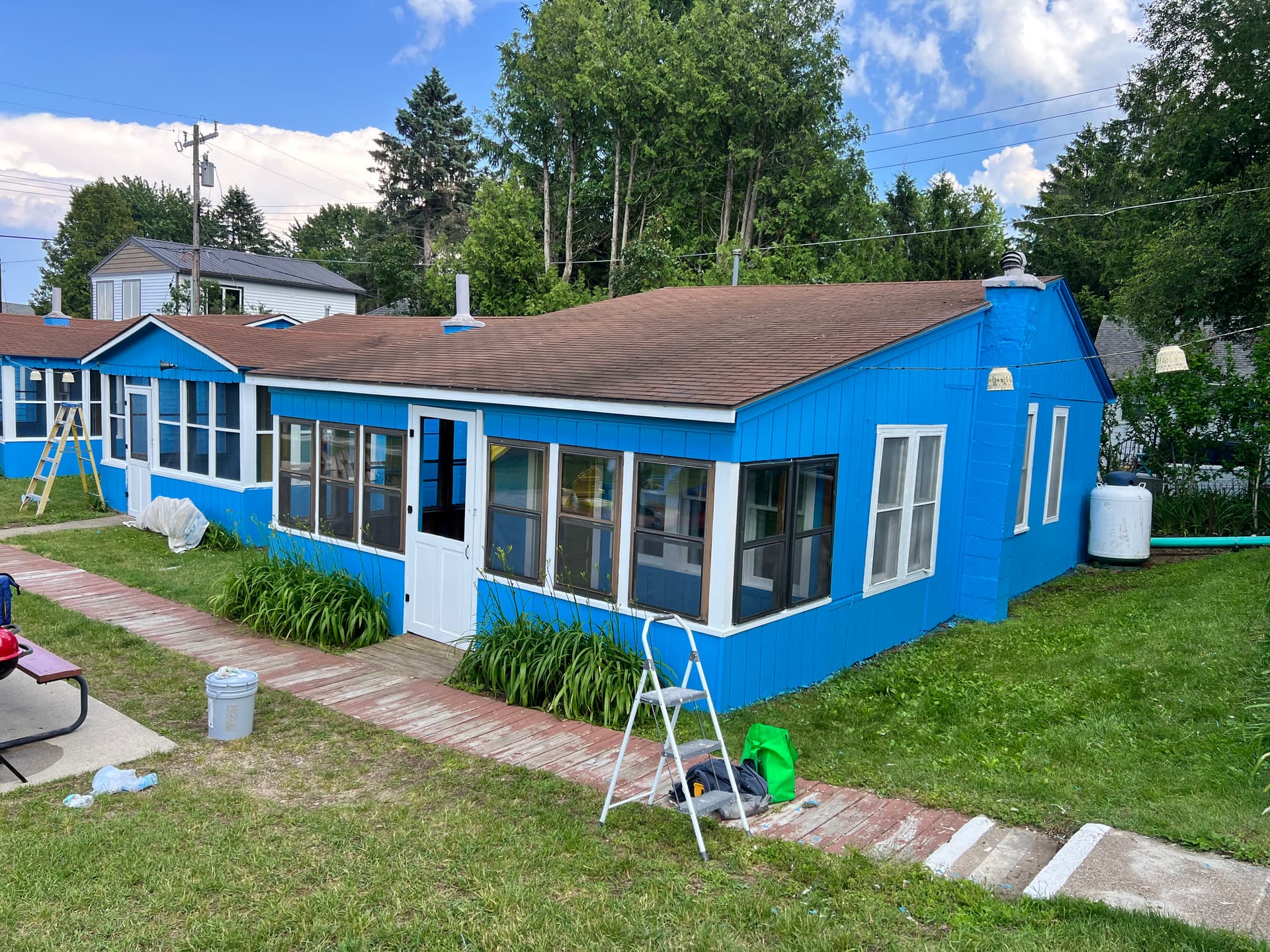
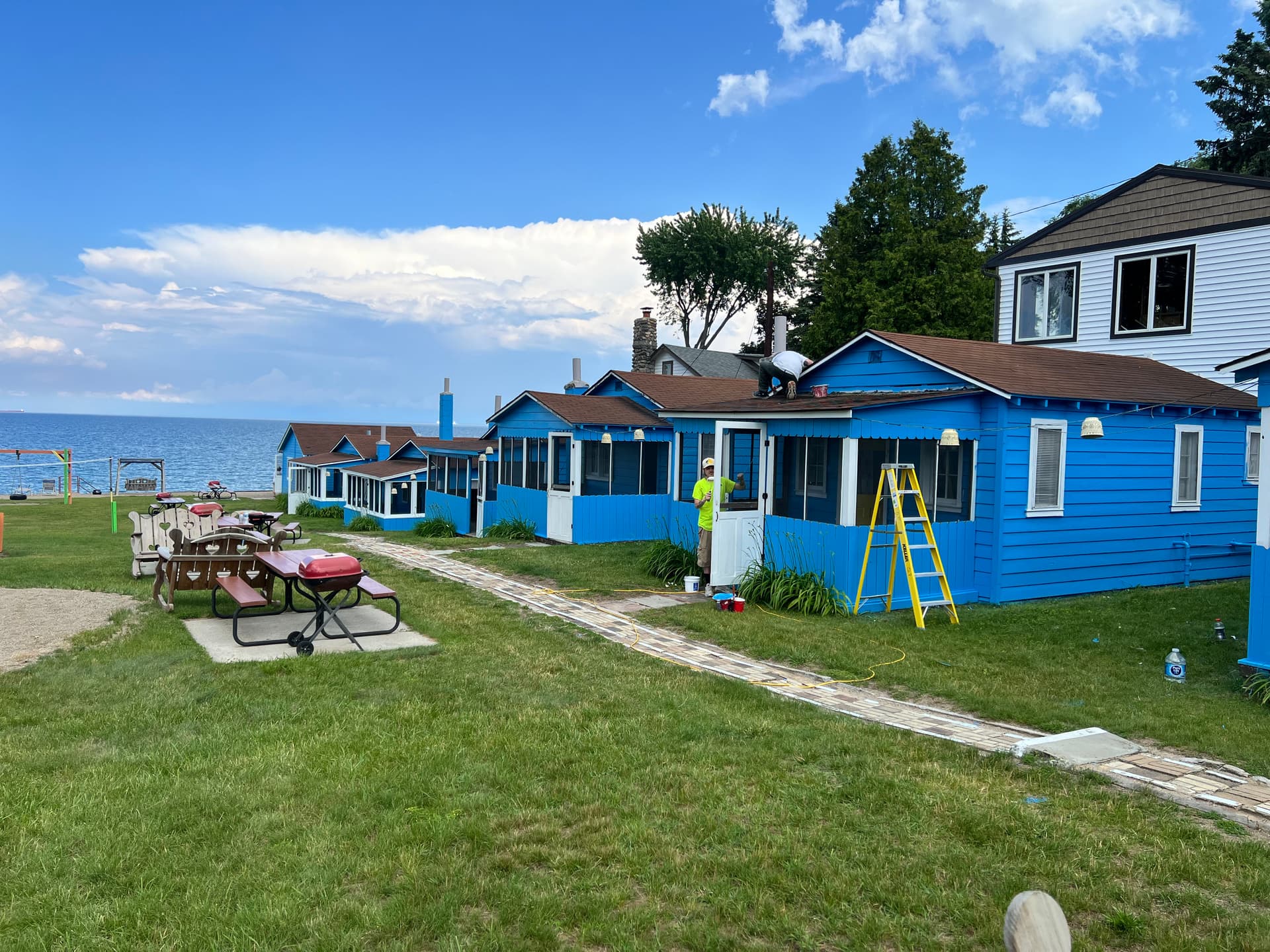
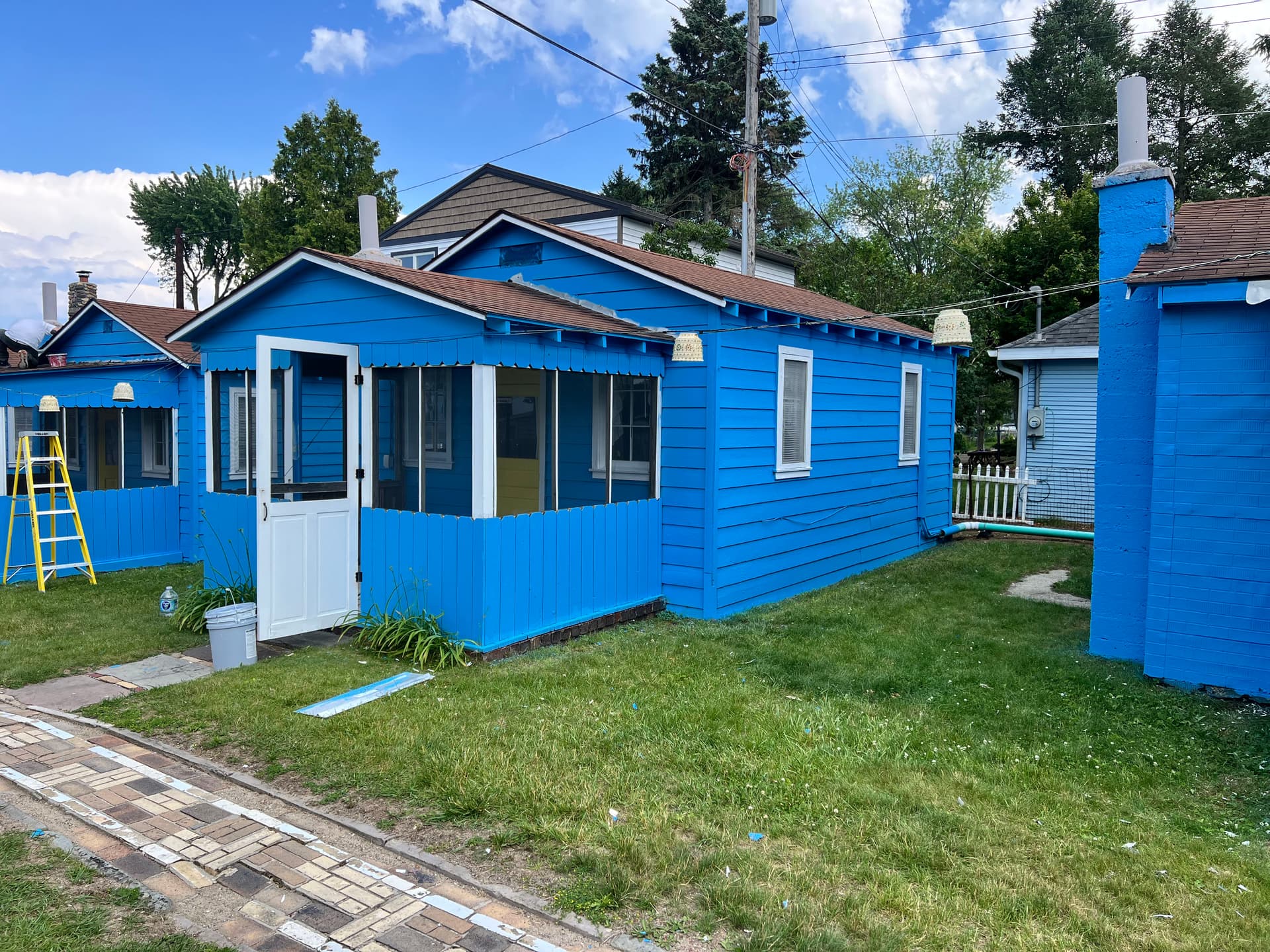
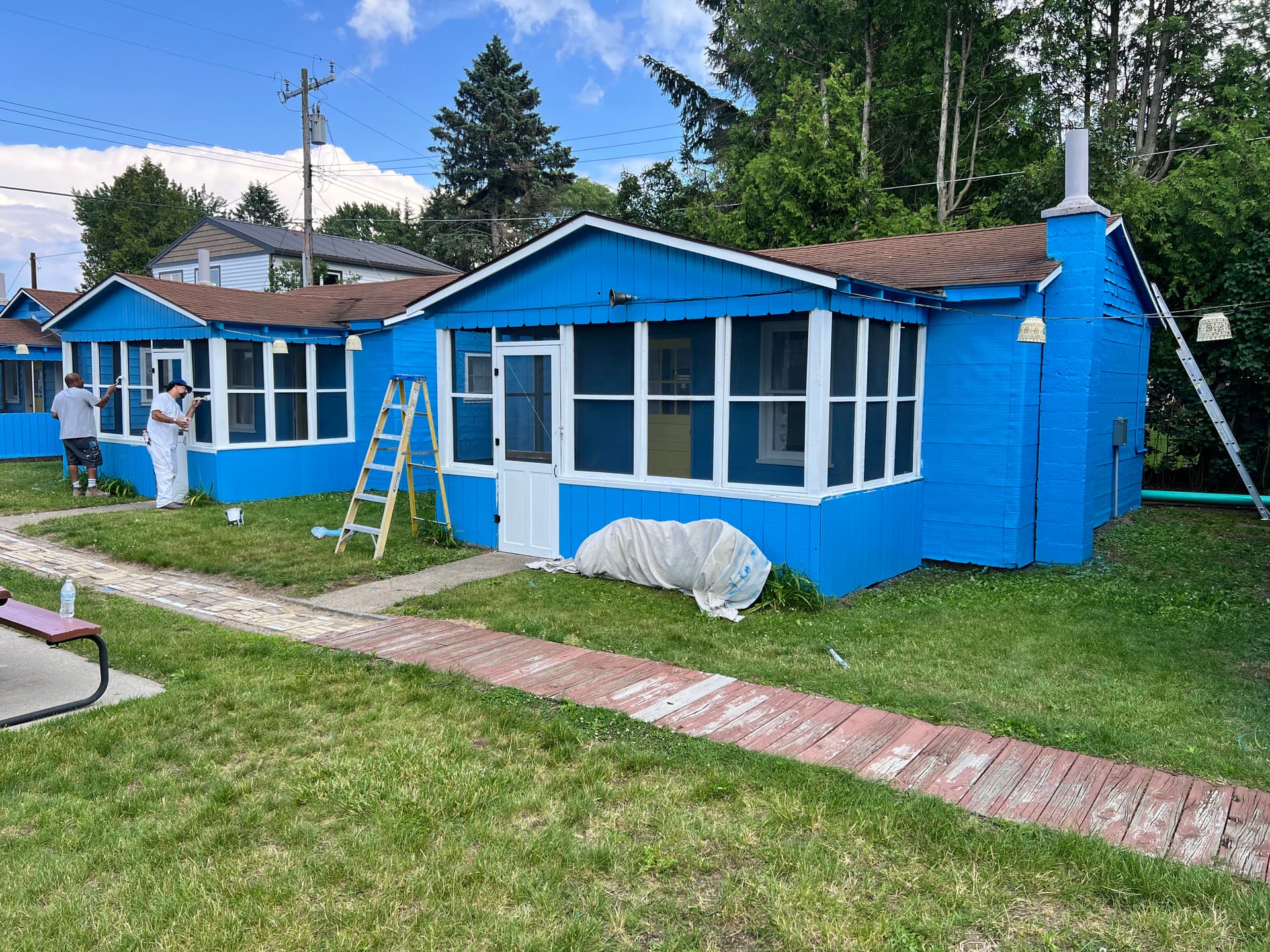
These lakefront cottages had seen better days. The old paint was cracking, peeling, and pulling away from the wood in big chunks - especially on the columns and porch boards. Skipping proper prep on something like this isn't just cutting corners, it's setting yourself up for the same problem in a fraction of the time.
Before a single brush went to work, we scraped off all the failing paint. Every surface that showed signs of adhesion failure got the attention it needed. Then we primed. That step gets skipped more than you'd think, and it's one of the biggest reasons exterior paint jobs fail ahead of schedule. Primer seals the surface and gives the topcoat something solid to bond to - especially important on older wood that's been beaten up by weather and sun.
With the prep done right, we were able to put down a clean, even finish across all the cottages. The siding, porch boards, trim, columns - everything got consistent coverage. The white trim work around the screened porches got sharp, clean lines that contrast nicely against the blue. Details like that are what separate a paint job that looks good up close from one that looks good from across the lawn.
When paint fails on wood, it's not just an eyesore. Exposed wood soaks up moisture, which leads to rot and a much bigger repair bill down the road. Getting ahead of that with proper exterior painting - done right the first time - protects the structure and keeps maintenance costs lower long term. These cottages are a good example of that.
If your home or property has peeling, cracking, or weather-worn paint, that's not something to wait on. The longer exposed wood sits without protection, the worse the underlying damage gets. We handle exterior painting jobs of all sizes, and we always start with the prep work that makes the finish last.